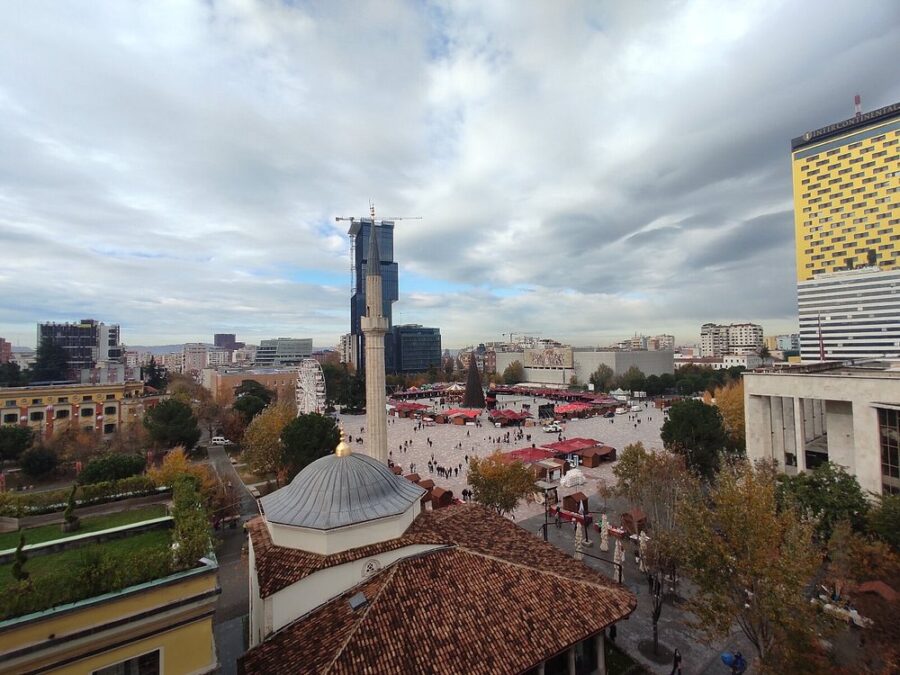
Skanderbeg Square
The central plaza serves as the city's focal point, surrounded by significant cultural and government buildings.
Walk to the center for a full view of the surrounding architecture.

Tirana sits three hours from Pristina by road, close enough for a day trip yet belonging to a different country with its own currency, architecture and political legacy. This guide answers whether the Albanian capital justifies the border crossing, what you'll find once you arrive, and how to structure a visit that respects the city's scale and rhythm.
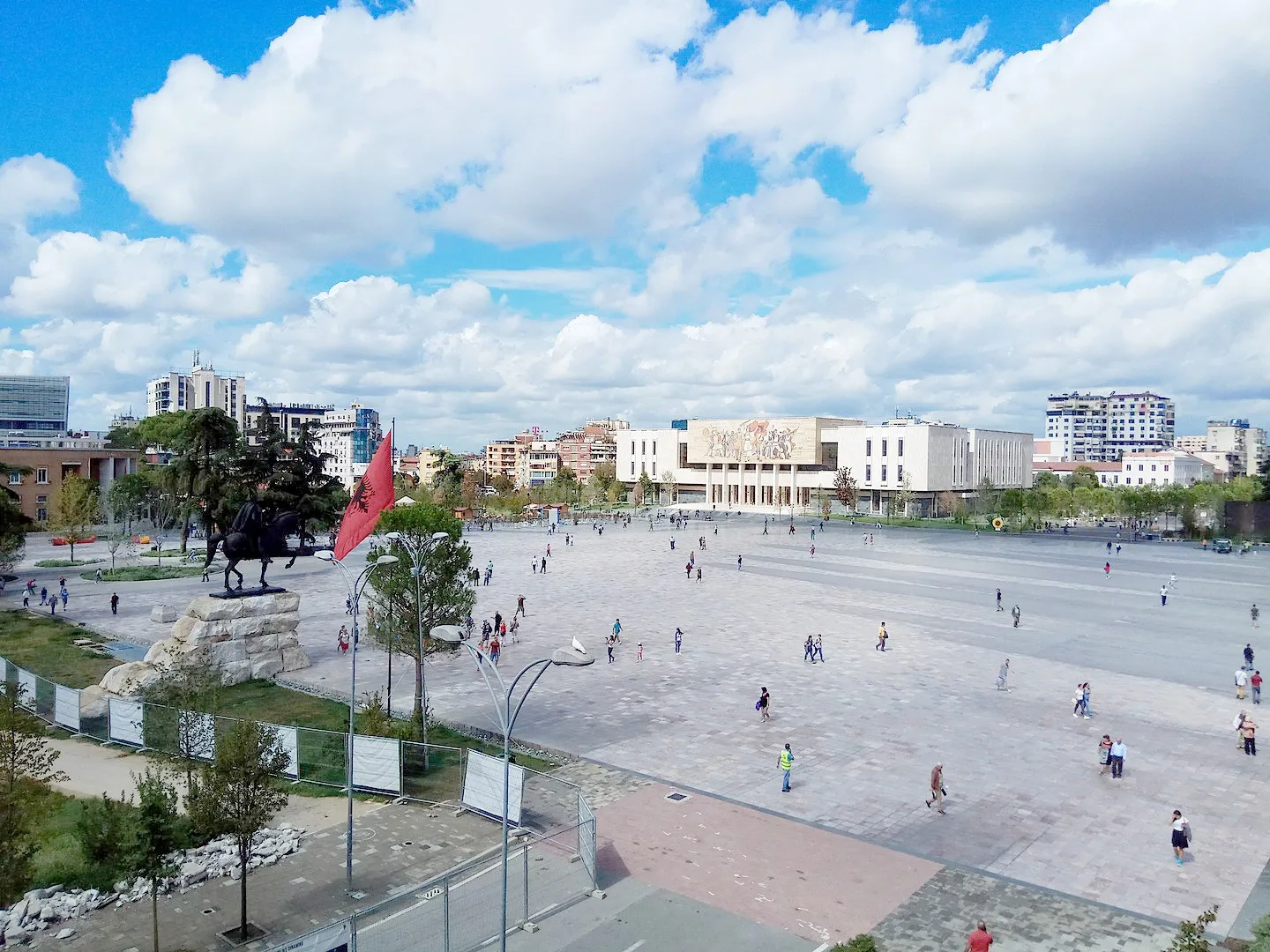
Quick answer
Tirana is open 24 hours daily with free entry as a capital city rather than a ticketed attraction, and the best arrival window falls between 09:00 and 18:00 for optimal daylight across pedestrian zones and landmarks. The city offers Ottoman-era mosques, communist-era brutalist blocks repainted in primary colors, the National History Museum, and Blloku district's café culture—all walkable from Skanderbeg Square. Whether it justifies a Kosovo day trip depends on your interest in Balkan contrasts and tolerance for a full-day cross-border excursion.
Tirana holds the distinction of being Europe's most recently inaccessible capital: until 1991, foreign visitors required explicit state permission to enter, and the city's bunkers and surveillance infrastructure remained operational longer than any other European metropolitan center. Today the same boulevards carry a different energy—painted apartment blocks in ochre, lime and coral face streets lined with Italian espresso bars and Mercedes sedans double-parked outside ministries still housed in Stalinist stone. The question of whether Tirana merits a visit from Kosovo hinges on what you're comparing it against. Pristina and Tirana share Yugoslav-era architecture and post-conflict reconstruction timelines, but diverge sharply in atmosphere: where Pristina reads as provisional and forward-facing, Tirana wears its ideological shifts on the surface. Enver Hoxha's pyramid mausoleum now hosts cultural events, the formerly restricted Blloku neighborhood is the city's densest concentration of nightlife, and Skanderbeg Square—named for the medieval lord who resisted Ottoman expansion—anchors a pedestrian precinct that includes an 18th-century mosque, a Fascist-era national bank, and a museum chronicling Albania's transition from monarchy through dictatorship to parliamentary republic. Visitors arriving from Pristina encounter a city that operates on a compressed geographic scale but requires time to decode. The National History Museum's mosaic facade depicts socialist realism in primary colors; inside, the Pavilion of Independence traces the 1912 break from Ottoman rule through artifacts that include Skanderbeg's replica sword and the original declaration signed in Vlorë. Bunk'Art 2, installed in a Cold War-era nuclear bunker beneath the Ministry of Interior, documents the Sigurimi secret police apparatus through preserved interrogation cells and surveillance logs. The Great Mosque of Tirana, completed in 2012, rises beside Et'hem Bey Mosque, which survived state atheism by serving as a cultural monument rather than a house of worship. A worthwhile Tirana day trip from Kosovo depends on whether you value urban texture over monumental sights. The city rewards walking, offers substantive museums for those interested in 20th-century Balkan history, and delivers café culture at Albanian price points. It does not offer coastline, alpine scenery, or the World Heritage density of Berat or Gjirokastër. For travelers already in Kosovo with a free day and curiosity about Albania's trajectory, the three-hour border crossing pays dividends; for those prioritizing efficiency or seeking postcard landmarks, the calculus shifts.
“Tirana wears its ideological shifts on the surface—where Enver Hoxha's pyramid once embodied permanence, it now hosts cultural events in a city that repaints its past rather than erasing it.”
The optimal time to visit Tirana is during the spring or autumn months when temperatures are moderate and the city is highly walkable. For daily exploration, the best arrival window is 09:00–18:00 to ensure full daylight for navigating pedestrian zones.
Mild, 15°C to 23°C
The city parks and plazas are active and comfortable for walking.
Pleasant, 16°C to 25°C
Stable weather conditions prevail, making it ideal for city sightseeing.
Hot, 25°C to 35°C
Peak temperatures can be intense during midday hours.
—
Arriving between 09:00–18:00 provides the best light for exploring landmarks.
Verdict: The most effective time to experience Tirana is during the spring or autumn months, utilizing the daily 09:00–18:00 arrival window for daylight exploration.
As the capital city of Albania, Tirana remains accessible to visitors throughout the entire week. The city functions as a public space, ensuring standard facilities and landmarks remain open regardless of the day of your arrival.
Tirana is a capital city, meaning there are no collective entrance fees for accessing the urban area or public zones. Costs associated with a visit typically involve individual venue entries or optional guided experiences rather than a general admission price.
Verdict: A typical adult pays 0 EUR for city entry, as costs only apply to specific private attractions or services chosen by the traveler.
Tirana is located in central Albania and is accessible from Kosovo primarily via road. The most efficient approach for a day trip involves traveling south across the border on the A1 motorway.
Pristina to Tirana via A1 motorway
E-851 and A1 motorway
Private transfer via A1 motorway
The best arrival window is 09:00–18:00 to ensure optimal daylight for exploring pedestrian zones and city landmarks. Tirana, Albania, functions as an open capital city with no specific entry gates or visitor fees.
Tirana offers a distinct urban character shaped by layers of architectural history and pedestrian-friendly public spaces. These sites provide a view into the city's central functions and cultural layout.
The central plaza serves as the city's focal point, surrounded by significant cultural and government buildings.
Walk to the center for a full view of the surrounding architecture.
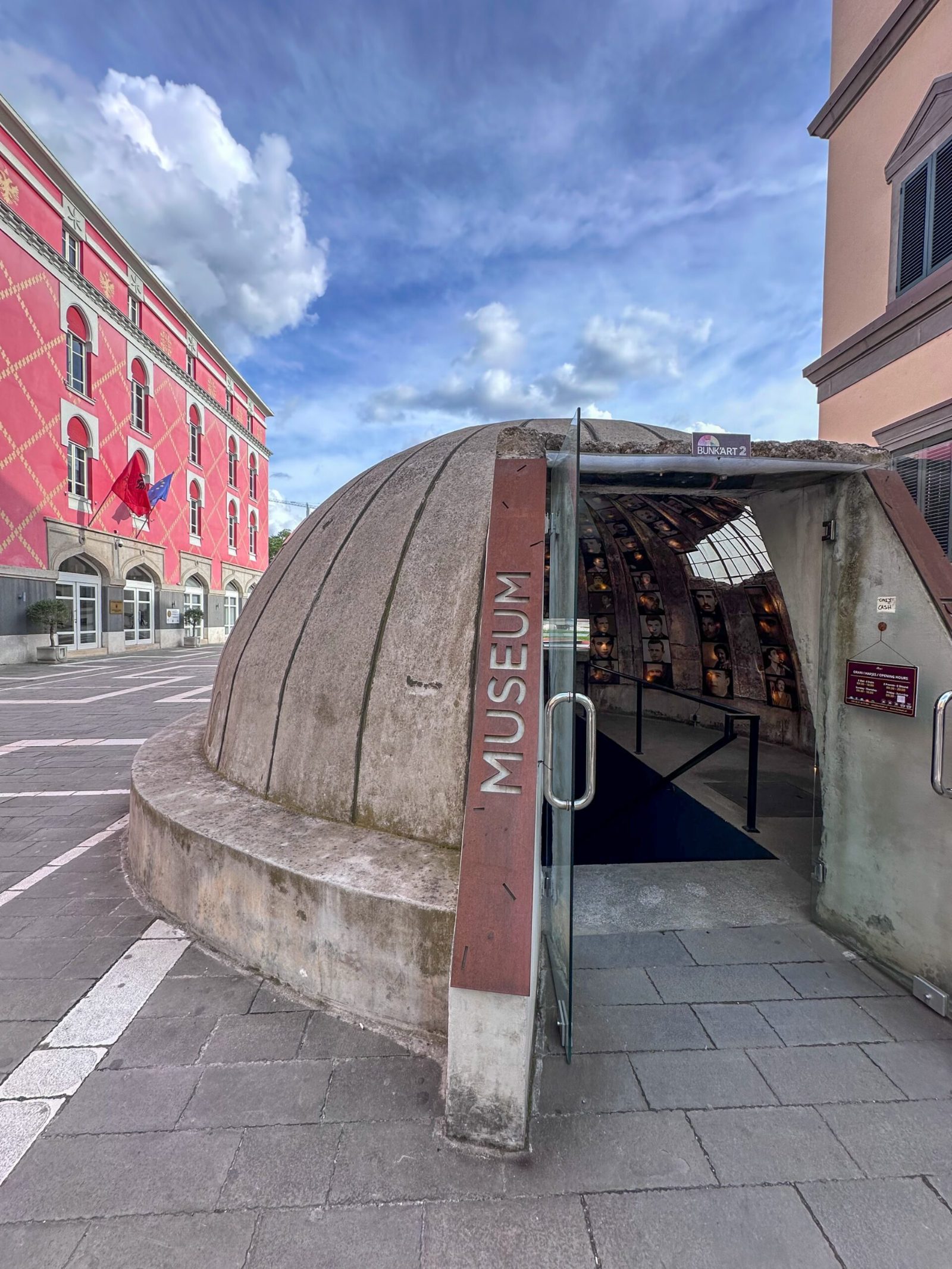
Located in a former nuclear bunker, this space displays the history of the Albanian Ministry of Internal Affairs.
Visit during the morning to avoid larger groups.
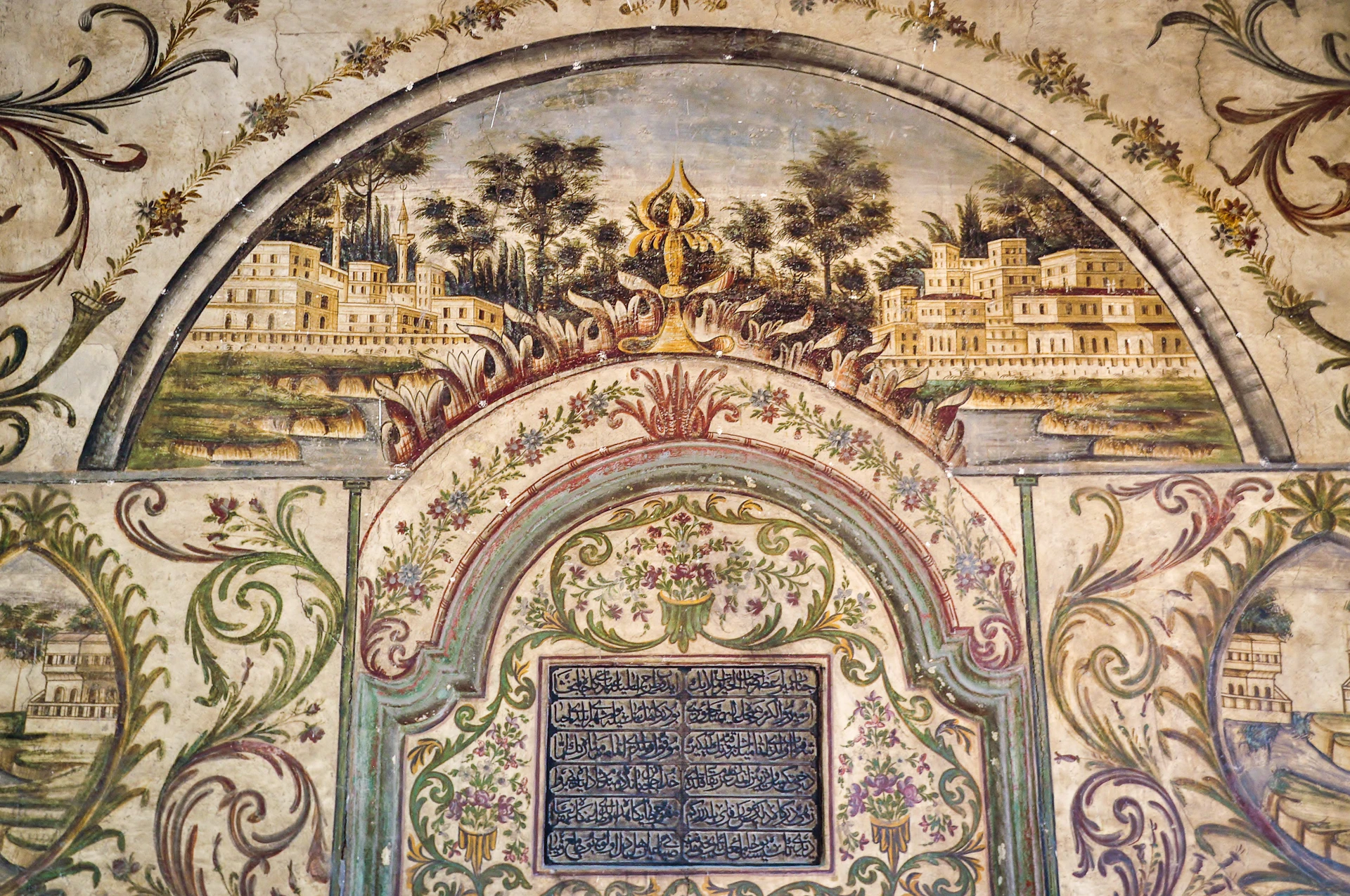
Situated on Skanderbeg Square, this 18th-century mosque is noted for its exterior frescoes and interior minaret.
Observe the painted floral motifs on the exterior portico.
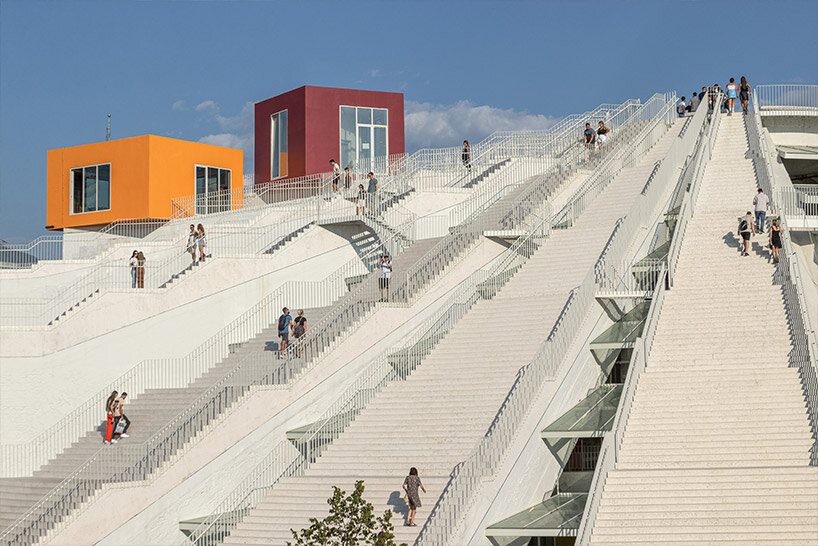
Formerly a museum, this structure has been repurposed into a community hub with accessible stairs leading to the summit.
Climb the exterior steps during the late afternoon for city views.
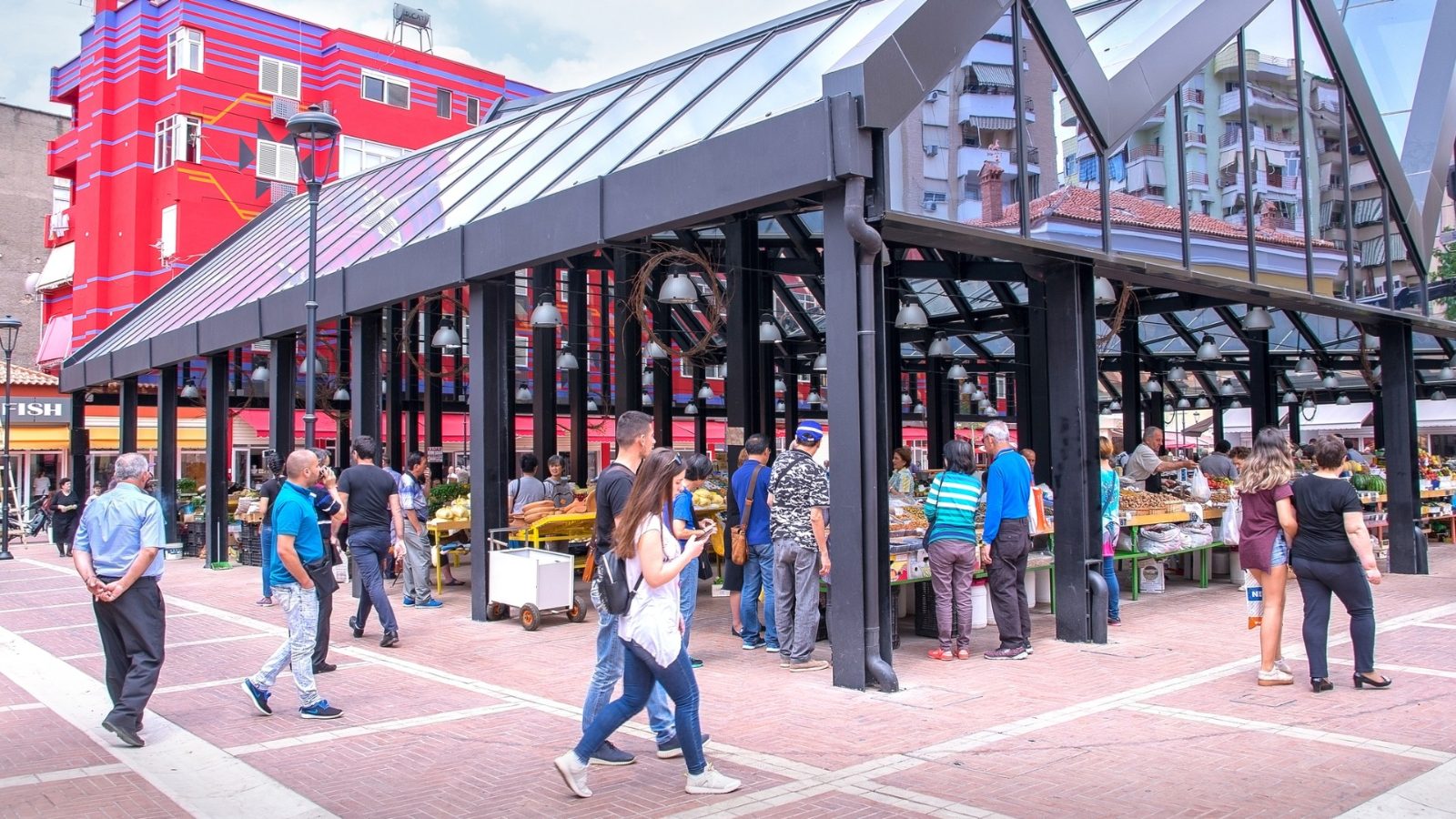
This renovated market area features colorful facades and serves as a hub for local food and craft vendors.
Look for the geometric mosaic patterns on the market canopy.
This itinerary suits day-trippers arriving from Kosovo who want to experience Tirana's core urban character within the 09:00–18:00 daylight window. The plan covers roughly eight hours, balancing pedestrian sightseeing with breaks.
Begin in the former political district, now a café-lined quarter. Spend thirty minutes orienting yourself and grabbing coffee before the day unfolds.
Traverse Dëshmorët e Kombit Boulevard northward, passing ministry buildings and the university. The wide tree-lined avenue takes about forty minutes at a relaxed pace.
Visit the National History Museum or the Bunk'Art complexes, depending on your interest in Cold War history or broader Albanian narrative. Allocate ninety minutes for a thorough visit.
The renovated market district offers traditional and contemporary options. Take an hour to eat and observe the neighborhood rhythm.
Tirana's largest green space lies south of the center; a loop around the artificial lake and through the park takes about an hour. Benches and shade make it a natural mid-afternoon pause.
End the loop at the city's ceremonial heart, flanked by the Et'hem Bey Mosque and the modernist National Theatre. Thirty minutes covers the plaza and its immediate surroundings.
Close the day where you started, with time to browse boutiques or rest before departure. Leave a buffer for the return journey to Kosovo.
Everything you need to know about is tirana worth visiting
Travelers often ask is tirana worth visiting to understand its unique mix of history and modern Mediterranean energy. It serves as a fascinating contrast to the mountain landscapes found throughout Kosovo and offers a distinct urban atmosphere. Many visitors find that is tirana worth visiting provides a valuable perspective on the evolution of Albania. Adding this capital city to your itinerary is a common choice for those exploring the wider region.
Determining if tirana is worth visiting usually depends on your interest in Soviet-era architecture, public squares, and local cafes. A day trip allows sufficient time to walk through the pedestrian zones and observe the city's growth. If you appreciate learning about complex Balkan histories, you will likely find that is tirana worth visiting is a rewarding decision. The city's compact center makes it accessible for short-term stays.
To get the most out of your experience, plan to arrive during the recommended best arrival window of 09:00–18:00. This timing ensures you have optimal daylight to navigate the city landmarks and enjoy the outdoor plazas. Since the city is a capital rather than a single attraction, visiting during these hours provides the best conditions for walking.
There is no entrance fee for the city, as 0 EUR is required to enter the capital. Tirana operates as an open public space, meaning you are free to explore its streets and parks at your convenience. This accessibility makes it a practical addition to your travel schedule.
A Tirana cultural tour can provide deeper context regarding the local heritage and social transformations within Albania. Whether is tirana worth visiting fits your preferences often comes down to the depth of local insight you seek during your travels. Professional guides can help navigate the history of the city more efficiently. Connecting with a knowledgeable guide allows you to uncover hidden details that you might otherwise miss.
To ensure a smooth journey, focus on the logistics of moving between regional hubs and the capital. Since the city is open daily, you can coordinate your arrival around your existing travel plans. Reviewing the available transport options will help you make the most of your time in this vibrant destination.