
English| EUR
Suggested for you
More currencies
Choose a language
The question of whether Kosovo has always been Albanian touches the heart of Balkan identity politics, but the historical record tells a more layered story. Medieval chronicles, Ottoman tax registers, and modern census data reveal centuries of demographic transformation. This guide unpacks the evidence behind Kosovo's shifting ethnic landscape.
Quick answer
No, Kosovo was not always Albanian. Medieval Kosovo was predominantly Serbian from the 12th through 14th centuries, serving as the political and religious center of the Serbian medieval state. The Albanian majority emerged gradually during Ottoman rule, particularly after the Great Turkish War of 1683–1699, when large-scale Serbian emigration and Albanian settlement from mountainous regions shifted the demographic balance southward into Kosovo's fertile plains.
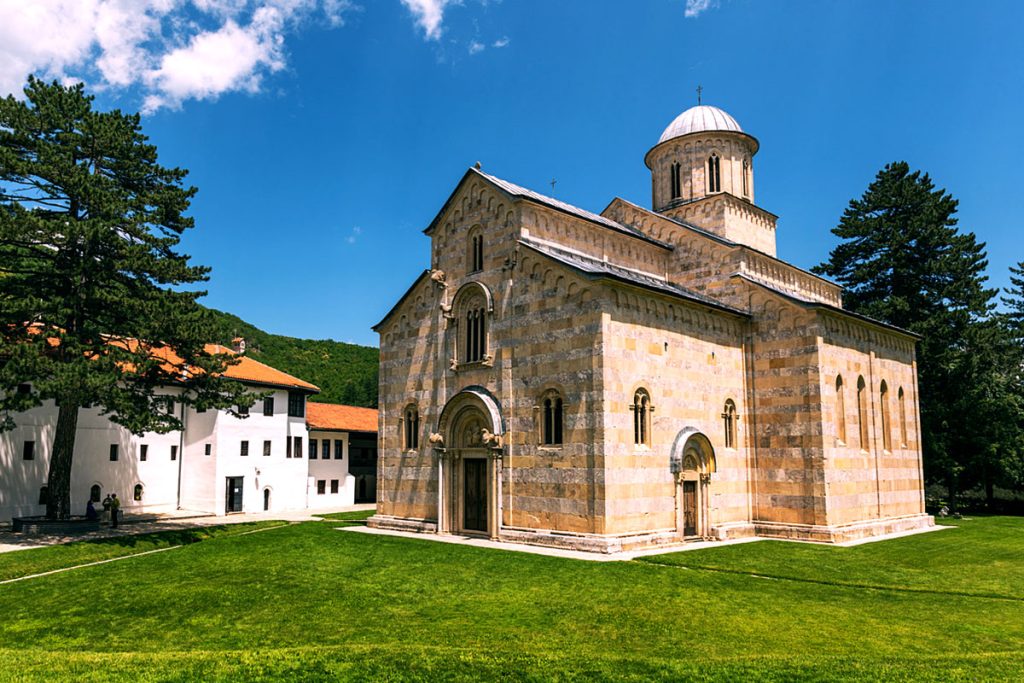
Medieval Kosovo was the heartland of the Serbian state, home to the Patriarchate of Peć and the site of the 1389 Battle of Kosovo that became central to Serbian historical memory. Byzantine and Serbian sources from the 12th through 14th centuries describe a population that was overwhelmingly Slavic and Orthodox Christian, with Albanian communities concentrated in western and northern peripheries. The region's demographic makeup began to shift after the Ottoman conquest in the late 1400s, but the transformation was neither immediate nor uniform. Ottoman tax registers from the 16th century still recorded a mixed population with Serbs forming a significant portion of rural settlements, particularly around monastery lands and in the Kosovo Polje basin. Albanian migration into Kosovo accelerated during periods of instability and territorial reorganization, especially after the failed Habsburg campaigns of the late 1600s. The Great Turkish War prompted mass Serbian migrations northward into Habsburg territory, documented in the 1690 exodus led by Patriarch Arsenije III and again in 1737 under Patriarch Arsenije IV. These migrations opened demographic space that Albanian clans from the mountainous Malësi and northern Albania filled, moving into the plains and adopting agricultural lifeways. By the 19th century, Ottoman travel accounts and consular reports noted an Albanian majority in most of Kosovo, though Serbian communities persisted around religious sites and in enclaves. The question of whether Kosovo was always Albanian reflects competing narratives of continuity and displacement. Serbian historiography emphasizes medieval sovereignty and the cultural weight of Kosovo's monasteries, which remain active centers of Orthodox heritage today. Albanian historiography traces Illyrian ancestry and argues for autochthonous presence predating Slavic arrival in the Balkans. The demographic reality is that Kosovo's ethnic composition changed over centuries through migration, conversion, and conflict rather than through any single point of origin. Ottoman population data, though incomplete, shows fluctuation rather than stasis. The 20th century brought further upheaval: interwar Yugoslav colonization programs, World War II atrocities, postwar emigration, and the 1998–1999 conflict all reshaped who lived where. Understanding this layered past matters for anyone visiting Kosovo's historical sites. The Serbian Orthodox monasteries at Visoki Dečani, Gračanica, and Peć are UNESCO World Heritage sites precisely because they anchor a medieval heritage that long predates the modern Albanian majority. These monuments coexist with Ottoman-era mosques, Catholic Albanian churches, and the scars of recent war. The demographic question was not always Albanian, but neither has it remained fixed. Kosovo's identity is the product of centuries of migration, imperial boundary shifts, and the friction between memory and modern statehood. Visitors tracing this history walk through landscapes where ethnic and religious communities have overlapped, clashed, and transformed, leaving a built environment that testifies to multiple pasts rather than a single, unbroken lineage.
“The demographic question was not always Albanian, but neither has it remained fixed.”
The question of whether was kosovo always albanian requires tracing the region's demographic and political layers across two millennia. Kosovo's earliest documented inhabitants were the Illyrians, a group many scholars link to the modern Albanian ethnogenesis. By the seventh century, Slavic tribes migrated southward into the Balkans, gradually establishing a Serbian presence that would dominate the medieval period. The Serbian Empire reached its zenith under Stefan Dušan in the fourteenth century, with Kosovo serving as its spiritual and administrative heartland; the Patriarchate of Peć, founded in 1346, became the ecclesiastical center of Serbian Orthodoxy, and the Battle of Kosovo in 1389 remains a defining event in Serbian historical memory. Ottoman conquest in the fifteenth century initiated a profound demographic shift. As Serbs migrated northward to escape Ottoman rule or were displaced during successive wars, Albanian Muslims and Catholics moved into the region from the mountainous west and south, drawn by available land and Ottoman incentives. By the eighteenth century, Albanian-speaking populations had become the majority in many areas. The question was kosovo always albanian thus hinges on which era one examines: the medieval period saw Slavic dominance, while the Ottoman centuries facilitated the Albanian demographic ascendancy that defines the region today. Serbian withdrawal during the Great Migration of 1690, prompted by Habsburg-Ottoman conflict, accelerated this transformation. The twentieth century brought further upheaval. Kosovo was incorporated into the Kingdom of Yugoslavia after the Balkan Wars, subjected to Axis occupation during World War II, and then absorbed into socialist Yugoslavia as an autonomous province within Serbia. Ethnic tensions escalated through the 1980s and 1990s, culminating in the Kosovo War of 1998–1999 and NATO intervention. Kosovo declared independence in 2008, recognized by over one hundred states but not by Serbia or Russia. Visitors today encounter the layered remnants of this history: the medieval Serbian monasteries of Visoki Dečani and Gračanica, both UNESCO World Heritage sites, stand alongside Ottoman-era mosques and the modern monuments of Pristina, each testament to a chapter in Kosovo's contested past.
Dardanian Illyrians inhabit Kosovo, later absorbed into the Roman province of Dardania.
Slavic tribes settle the Balkans; Serbian polities emerge and expand into Kosovo over subsequent centuries.
Stefan Dušan elevates the Patriarchate of Peć, establishing Kosovo as the Serbian ecclesiastical center.
Battle of Kosovo fought between Serbian-led coalition and Ottoman forces; Ottoman victory paves the way for regional control.
Ottoman Empire completes conquest of Kosovo; gradual demographic shifts begin as Serbs migrate north and Albanians settle.
Great Migration: tens of thousands of Serbs flee Kosovo northward during Habsburg-Ottoman wars, accelerating Albanian demographic majority.
First Balkan War ends Ottoman rule; Kosovo incorporated into the Kingdom of Serbia, later Yugoslavia.
Kosovo War between Yugoslav forces and the Kosovo Liberation Army; NATO intervenes with air campaign.
Kosovo declares independence from Serbia on February 17; recognized by over one hundred UN member states but disputed by Serbia.
The question of Kosovo's ethnic history is complex, often leading to polarized narratives regarding indigenous status and migration. Clarifying these misconceptions helps provide a more accurate understanding of the region's diverse demographic evolution.
MythKosovo has been exclusively Albanian since antiquity.
FactHistorical evidence shows the region has been inhabited by various groups, including Illyrians, Romans, Slavs, and Albanians, across different eras.
MythAlbanians migrated to Kosovo only in the 20th century.
FactWhile demographic shifts occurred, historical records confirm the presence of Albanian populations in the region well before the 20th century.
MythSlavic populations were the original and only inhabitants of Kosovo.
FactThe region was home to Paleo-Balkan populations, including Illyrian ancestors, long before the arrival of Slavic tribes in the early medieval period.
As this topic concerns historical and demographic research, there are no physical access requirements or operational hours.
As this topic concerns a historical and demographic inquiry rather than a physical destination, there are no admission costs associated with researching this subject. Information regarding the history of Kosovo is publicly available for free.
Verdict: A typical person pays 0 EUR to research this historical topic, as it is entirely informational.
Everything you need to know about was kosovo always albanian
The question of was kosovo always albanian is complex, as the region has hosted various cultures over millennia. While the Albanian population has been a significant presence for centuries, the area was historically influenced by Illyrian, Roman, and Slavic civilizations. Therefore, one cannot say was kosovo always albanian in a strictly exclusive sense.
Before the consolidation of the current ethnic majority, the region was inhabited by Illyrian tribes, followed by long periods of Roman and Byzantine rule. Serbian medieval states also held significant control over the territory, leaving behind numerous cultural landmarks. Exploring whether was kosovo always albanian helps travelers understand the diverse heritage found in today's local architecture.
Yes, Kosovo is home to several communities, including Serbs, Bosniaks, Turks, and Roma. These groups have contributed to the cultural mosaic of the area long after the initial settlement periods. Understanding if was kosovo always albanian or shared among these groups provides deeper context for visitors touring regional sites.
Tracing ancestral roots often involves visiting archaeological sites and museums that document Illyrian history. Scholars continue to study the linguistic and genetic links between these early inhabitants and modern populations. These findings provide academic depth to the broader theme of Balkan demographic evolution.
Understanding the historical context makes a day trip from Tirana more meaningful for visitors. While the past is multifaceted, it does not dictate the ease of access for modern tourism. You can explore these diverse cultural landscapes with full freedom during your visit.
No, historical demographic shifts have no impact on current entry fees or regulations. As noted in our official guidelines, the entry fee remains 0 EUR. Documentation for travel is handled according to modern international protocols, not historical claims.